Planet
Planet - Norte Energia - Relatório de Sustentabilidade 2023
Environmental Management
Biodiversity
Fauna
Flora
Water
Water management in Volta Grande do Xingu – Hydrogram
Waste
Climate strategy
Dam Safety

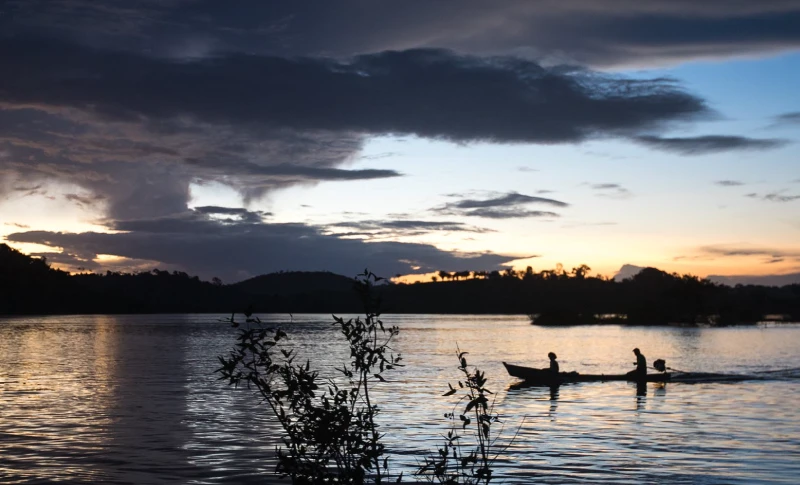
Our business directly depends on the natural resources of the Xingu River and, therefore, robust and efficient environmental management is essential for the operation of the Belo Monte HPP.


In 2023, we continued with several independent initiatives, such as the implementation of the Altamira Photovoltaic Plant, the Green Energy Project in Xingu, the commercialization of international renewable energy certificates (I-REC), the BNDES Floresta Viva matchfunding, and R&D projects to reduce greenhouse gas (GHG) emissions. We recorded 19,678 tCO2 equivalent of GHG emissions associated with energy supply. We carried out our GHG emissions inventory for the second year in a row and initiated a plan to reduce them. We invested in renewable energy and strategies to combat climate change. In partnership with other companies, we invested in projects to ensure the quality and availability of water in the Xingu River basin.

<p><strong>Our business directly depends on the natural resources of the Xingu River and, therefore, robust and efficient environmental management is essential for the operation of the Belo Monte HPP.</strong></p>
<p> </p>
<p>In 2023, we continued with several independent initiatives, such as the implementation of the Altamira Photovoltaic Plant, the Green Energy Project in Xingu, the commercialization of international renewable energy certificates (I-REC), the BNDES Floresta Viva matchfunding, and R&D projects to reduce greenhouse gas (GHG) emissions. We recorded 19,678 tCO<sub>2</sub> equivalent of GHG emissions associated with energy supply. We carried out our GHG emissions inventory for the second year in a row and initiated a plan to reduce them. We invested in renewable energy and strategies to combat climate change. In partnership with other companies, we invested in projects to ensure the quality and availability of water in the Xingu River basin.</p>
<p>At Norte Energia we operate an Integrated Management System (IMS), based on ISO 14001 and that establishes procedures and enables monitoring performance indicators and ensuring continuous improvement in social and environmental performance.</p>
<p>The ESG Indicator Management System (SIESG) was structured and implemented by Norte Energia in 2023 and has been consolidating itself as a tool to collect and manage integrated ESG and sustainability information and indicators in accordance with GRI Standards, SASB, Aneel, among others. Responsibility for entering data into the system is shared between different areas of the company.</p>
Environmental Management

At Norte Energia we operate an Integrated Management System (IMS), based on ISO 14001 and that establishes procedures and enables monitoring performance indicators and ensuring continuous improvement in social and environmental performance.

The ESG Indicator Management System (SIESG) was structured and implemented by Norte Energia in 2023 and has been consolidating itself as a tool to collect and manage integrated ESG and sustainability information and indicators in accordance with GRI Standards, SASB, Aneel, among others. Responsibility for entering data into the system is shared between different areas of the company.

Biodiversity

Acting in the conservation and preservation of biodiversity and natural environments in the area of ​​influence of the Belo Monte HPP is a strategic priority aligned with our Sustainability Policy. In 2023, we will continue our participation in relevant forums, such as the Biodiversity Technical Chamber (CTBio) and the CEBDS Amazon Working Group (GT), in addition to the Abrage Environment GT. These bodies promote the sharing of information and support for institutional articulations on issues related to climate, biodiversity, social impact, water resources, the Amazon and advocacy.

To strengthen our management, we joined the CEBDS Action for Nature Platform, in partnership with the WBCSD and the TNFD, participating in the Energy and Infrastructure Sector Group of the TNFD pilot project. Additionally, we have joined Business for Nature’s Call to Action initiative, calling for collective action to reverse nature loss by 2030. These actions reflect our commitment to the conservation of biodiversity and ecosystem services.

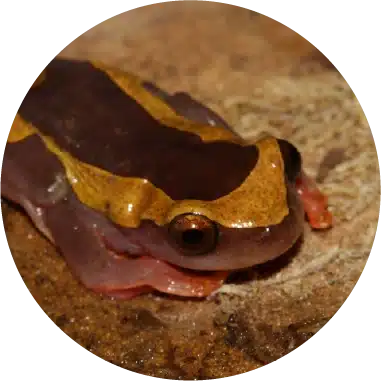
Within the scope of environmental licensing, we monitor vulnerable and threatened species listed by the IUCN and by Ordinance No. 148/2022 of the MMA.
<p>Acting in the conservation and preservation of biodiversity and natural environments in the area of ​​influence of the Belo Monte HPP is a strategic priority aligned with our Sustainability Policy. In 2023, we will continue our participation in relevant forums, such as the Biodiversity Technical Chamber (CTBio) and the CEBDS Amazon Working Group (GT), in addition to the Abrage Environment GT. These bodies promote the sharing of information and support for institutional articulations on issues related to climate, biodiversity, social impact, water resources, the Amazon and advocacy.</p>
<p>To strengthen our management, we joined the CEBDS Action for Nature Platform, in partnership with the WBCSD and the TNFD, participating in the Energy and Infrastructure Sector Group of the TNFD pilot project. Additionally, we have joined Business for Nature’s Call to Action initiative, calling for collective action to reverse nature loss by 2030. These actions reflect our commitment to the conservation of biodiversity and ecosystem services.</p>
<p>Within the scope of environmental licensing, we monitor vulnerable and threatened species listed by the IUCN and by Ordinance No. 148/2022 of the MMA.</p>
Fauna

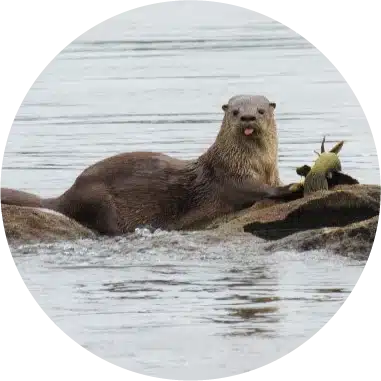
As for the monitoring of terrestrial fauna, throughout the licensing process the Belo Monte HPP carried out 24 field campaigns until 2023. These campaigns included the observation of amphibians, reptiles, birds, medium and large mammals, as well as bats, in the sampling modules implemented by Norte Energia and in the boulders along the Xingu River bed.

Norte Energia has been monitoring the region’s fauna since 2011, during the project’s implementation phase. Currently, it relies on the participation of residents from neighboring communities, known as “Nature Guardians,” who assist biologists in both monitoring and environmental education activities with the local population.
<p>As for the monitoring of terrestrial fauna, throughout the licensing process the Belo Monte HPP carried out 24 field campaigns until 2023. These campaigns included the observation of amphibians, reptiles, birds, medium and large mammals, as well as bats, in the sampling modules implemented by Norte Energia and in the boulders along the Xingu River bed.</p>
<p>Norte Energia has been monitoring the region’s fauna since 2011, during the project’s implementation phase. Currently, it relies on the participation of residents from neighboring communities, known as “Nature Guardians,” who assist biologists in both monitoring and environmental education activities with the local population.</p>
Flora

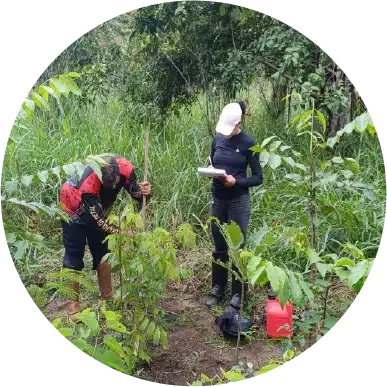
As part of our environmental commitment, we dedicate significant efforts to the conservation of flora in the Xingu region. This is possible by implementing a series of projects integrated with the Terrestrial and Aquatic Ecosystem Conservation Plans. Throughout the licensing process (2011-2023) Norte Energia rescued and collected a total of 4,326,673 seeds and propagules. Also, 201,923 plant and seedling specimens were recovered, with a reintroduction rate of 97.8% into their habitats.

The contribution to scientific research was notable, with the production of 19,801 exsiccates (dehydrated plant samples), of which 19,483 were made available to teaching and research institutions, boosting the advancement of botanical knowledge about the region.

In 2023, flora conservation actions in the Xingu region continued through the development of projects aimed at rescuing, reintroducing, monitoring, studying and cataloging plants in the area of ​​influence of the plant. Solid ground forests, alluvial forests and the typical vegetation of the boulders were monitored. By December 2023, 721 plant species had been identified in a participatory monitoring process involving residents of local communities. This engagement resulted in the preparation and publication, in March 2023, of the book “Natureza no Xingu: planejamento participativo da flora” (Nature in Xingu: participatory planning of flora) which compiles the monitoring information.
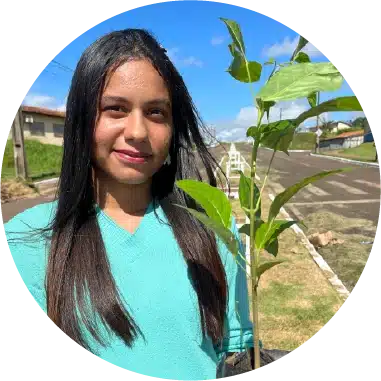
<p>As part of our environmental commitment, we dedicate significant efforts to the conservation of flora in the Xingu region. This is possible by implementing a series of projects integrated with the Terrestrial and Aquatic Ecosystem Conservation Plans. Throughout the licensing process (2011-2023) Norte Energia rescued and collected a total of 4,326,673 seeds and propagules. Also, 201,923 plant and seedling specimens were recovered, with a reintroduction rate of 97.8% into their habitats.</p>
<p>The contribution to scientific research was notable, with the production of 19,801 exsiccates (dehydrated plant samples), of which 19,483 were made available to teaching and research institutions, boosting the advancement of botanical knowledge about the region.</p>
<p>In 2023, flora conservation actions in the Xingu region continued through the development of projects aimed at rescuing, reintroducing, monitoring, studying and cataloging plants in the area of ​​influence of the plant. Solid ground forests, alluvial forests and the typical vegetation of the boulders were monitored. By December 2023, 721 plant species had been identified in a participatory monitoring process involving residents of local communities. This engagement resulted in the preparation and publication, in March 2023, of the book “<em>Natureza no Xingu: planejamento participativo da flora</em>” (Nature in Xingu: participatory planning of flora) which compiles the monitoring information.</p>
Water

Water care is a priority for Norte Energia, essential for Belo Monte operations and the quality of life in the region. Through the Water Resources Management Plan, we carry out continuous monitoring and data collection to preserve the quality of the water of the Xingu River. The Limnological and Surface Water Quality Monitoring project is fundamental, being conducted weekly, biweekly, monthly and quarterly, resulting in more than 75 thousand surface water samples and 10 thousand groundwater measurements since the beginning of the works. These efforts maintain the Xingu River as a Class 2 water body, suitable for a variety of uses.

We also carry out actions to improve sanitation in Altamira, including the implementation of collection networks and sewage treatment plants. In 2022, the Company executed a Term of Commitment with the Municipality of Altamira for the transfer of basic sanitation assets to municipal management as of January 2023.

<p>Water care is a priority for Norte Energia, essential for Belo Monte operations and the quality of life in the region. Through the Water Resources Management Plan, we carry out continuous monitoring and data collection to preserve the quality of the water of the Xingu River. The Limnological and Surface Water Quality Monitoring project is fundamental, being conducted weekly, biweekly, monthly and quarterly, resulting in more than 75 thousand surface water samples and 10 thousand groundwater measurements since the beginning of the works. These efforts maintain the Xingu River as a Class 2 water body, suitable for a variety of uses.</p>
<p>We also carry out actions to improve sanitation in Altamira, including the implementation of collection networks and sewage treatment plants. In 2022, the Company executed a Term of Commitment with the Municipality of Altamira for the transfer of basic sanitation assets to municipal management as of January 2023.</p>
Water management in Volta Grande do Xingu – Hydrogram

The hydroelectric project on the Xingu River has evolved over 40 years to minimize social, environmental and economic impacts. The flooded area was reduced from 18,300 km² to 478 km², preventing the flooding of indigenous lands. The Environmental Impact Study (EIA) proposed different flow scenarios, with the State opting for the Consensus Hydrogram, alternating between hydrograms A and B to balance energy production and biodiversity preservation.

Since November 2019, the Belo Monte HPP has been in full operation, with the Reduced Flow Stretch (TVR) covering approximately 100 km of the Xingu River. Although a concession contract requires testing of the Hydrogram after six years, Ibama requested changes to the minimum flows, leading to the creation of the Environmental Commitment Term (TCA) in February 2021. The TCA established the application of Hydrogram B and required additional mitigation and compensation measures for the Volta Grande do Xingu.

In 2021, Norte Energia completed the requested complementary studies, but Ibama has not yet finalized the analysis. The company, the Federal Prosecution Service and Ibama sought the suspension of a preliminary decision in the TRF of the 1st Region, which decided to maintain the application of Hydrogram B. In 2023, Norte Energia continued to apply Hydrogram B and implemented the TCA and environmental licensing measures, keeping continuous communication with environmental agencies and local communities.

<p>The hydroelectric project on the Xingu River has evolved over 40 years to minimize social, environmental and economic impacts. The flooded area was reduced from 18,300 km² to 478 km², preventing the flooding of indigenous lands. The Environmental Impact Study (EIA) proposed different flow scenarios, with the State opting for the Consensus Hydrogram, alternating between hydrograms A and B to balance energy production and biodiversity preservation.</p>
<p>Since November 2019, the Belo Monte HPP has been in full operation, with the Reduced Flow Stretch (TVR) covering approximately 100 km of the Xingu River. Although a concession contract requires testing of the Hydrogram after six years, Ibama requested changes to the minimum flows, leading to the creation of the Environmental Commitment Term (TCA) in February 2021. The TCA established the application of Hydrogram B and required additional mitigation and compensation measures for the Volta Grande do Xingu.</p>
<p>In 2021, Norte Energia completed the requested complementary studies, but Ibama has not yet finalized the analysis. The company, the Federal Prosecution Service and Ibama sought the suspension of a preliminary decision in the TRF of the 1st Region, which decided to maintain the application of Hydrogram B. In 2023, Norte Energia continued to apply Hydrogram B and implemented the TCA and environmental licensing measures, keeping continuous communication with environmental agencies and local communities.</p>
Waste

At Norte Energia, we implement responsible waste management, focusing on prevention, reuse and circularity of the value chain. We take proactive measures to reduce waste production and its impacts, including:
  • Sustainable practices and responsible purchasing;
  • Internal reuse programs and process optimization to reduce waste;
  • Hiring specialized companies for collection and final disposal, ensuring compliance with environmental criteria;
  • Reusing materials to reduce waste and conserve resources.
<p>At Norte Energia, we implement responsible waste management, focusing on prevention, reuse and circularity of the value chain. We take proactive measures to reduce waste production and its impacts, including:</p>
<ul>
<li>Sustainable practices and responsible purchasing;</li>
<li>Internal reuse programs and process optimization to reduce waste;</li>
<li>Hiring specialized companies for collection and final disposal, ensuring compliance with environmental criteria;</li>
<li>Reusing materials to reduce waste and conserve resources.</li>
</ul>
Climate strategy

The renewable energy generated at Belo Monte and its location in the Amazon make combating climate change a strategic priority for Norte Energia. Senior management is involved in the analysis and decision-making related to climate, with guidelines integrated into the Sustainability Policy. The Sustainability Superintendence, responsible for reporting to the Executive Board and the Board of Directors, coordinates climate commitments and actions.

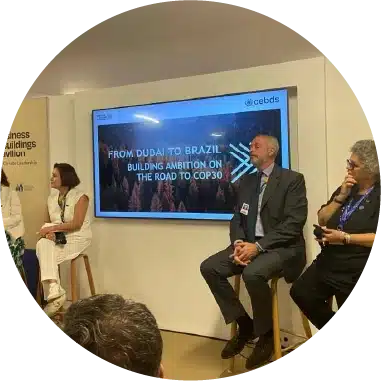
The Sustainability Committee advises senior management on climate issues. In 2023, we will advance in the preparation of the Decarbonization and Climate Change Combat Plan, focusing on the management and monitoring of GHG emissions, aligned with the goals of the UN 2030 Agenda. The Superintendence participated in COP 28, in Dubai, representing CEBDS, to acquire knowledge and practices on combating climate change.

<p>The renewable energy generated at Belo Monte and its location in the Amazon make combating climate change a strategic priority for Norte Energia. Senior management is involved in the analysis and decision-making related to climate, with guidelines integrated into the Sustainability Policy. The Sustainability Superintendence, responsible for reporting to the Executive Board and the Board of Directors, coordinates climate commitments and actions.</p>
<p>The Sustainability Committee advises senior management on climate issues. In 2023, we will advance in the preparation of the Decarbonization and Climate Change Combat Plan, focusing on the management and monitoring of GHG emissions, aligned with the goals of the UN 2030 Agenda. The Superintendence participated in COP 28, in Dubai, representing CEBDS, to acquire knowledge and practices on combating climate change.</p>
<p><strong>Atmospheric emissions and combating climate change</strong></p>
<p>At Norte Energia, we published our second Corporate Inventory of Greenhouse Gas (GHG) Emissions, covering Scopes 01, 02 and 03, and receiving the Gold Seal from the Brazilian GHG Protocol Program for the second consecutive year.</p>
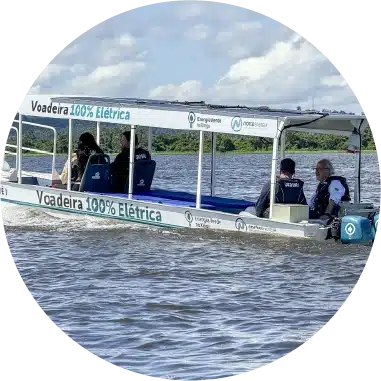
<p>Our operation stands out for its low emissions intensity and the continuity of the Green Energy Project in Xingu, which promotes renewable energy in communities affected by Belo Monte. We invest in R&D projects focused on environmental challenges, including the characterization of extreme weather events and the development of solar-powered vessels. We inaugurated a 4 MW photovoltaic plant in Altamira to offset the energy consumption of our offices.</p>
<p>We participated in COP 28 with CEBDS, reinforcing our commitment to sustainability. We launched the Xingu Public Notice as part of the Floresta Viva initiative, allocating BRL 26.64 million to restoration projects and strengthening of local production chains.</p>
<p>We maintained our support for projects with the Kayapó people and, in partnership with Eletrobras, we financed initiatives to protect indigenous territory. We promote sustainable entrepreneurship in the Belo Monte region in partnership with the Amazon Entrepreneurship Center (CEA), training local entrepreneurs.</p>
<p>We developed the Encantos do Xingu Project for riverside children and young people, offering music and visual art workshops. In Altamira, the Permear project trained municipal school teachers in ethnic-racial issues, while<em> Futebol Social do Belo Monte Comunidade</em> expanded its activities to the Volta Grande do Xingu region. We carried out professional training actions in partnership with Senar, highlighting the Gourmet Flour course for riverside and village indigenous communities.</p>

Atmospheric emissions and combating climate change

At Norte Energia, we published our second Corporate Inventory of Greenhouse Gas (GHG) Emissions, covering Scopes 01, 02 and 03, and receiving the Gold Seal from the Brazilian GHG Protocol Program for the second consecutive year.

Our operation stands out for its low emissions intensity and the continuity of the Green Energy Project in Xingu, which promotes renewable energy in communities affected by Belo Monte. We invest in R&D projects focused on environmental challenges, including the characterization of extreme weather events and the development of solar-powered vessels. We inaugurated a 4 MW photovoltaic plant in Altamira to offset the energy consumption of our offices.

We participated in COP 28 with CEBDS, reinforcing our commitment to sustainability. We launched the Xingu Public Notice as part of the Floresta Viva initiative, allocating BRL 26.64 million to restoration projects and strengthening of local production chains.

We maintained our support for projects with the Kayapó people and, in partnership with Eletrobras, we financed initiatives to protect indigenous territory. We promote sustainable entrepreneurship in the Belo Monte region in partnership with the Amazon Entrepreneurship Center (CEA), training local entrepreneurs.

We developed the Encantos do Xingu Project for riverside children and young people, offering music and visual art workshops. In Altamira, the Permear project trained municipal school teachers in ethnic-racial issues, while Futebol Social do Belo Monte Comunidade expanded its activities to the Volta Grande do Xingu region. We carried out professional training actions in partnership with Senar, highlighting the Gourmet Flour course for riverside and village indigenous communities.

Dam Safety

The Belo Monte Hydroelectric Power Plant operates in accordance with Law No. 12,334/2010 and Law No. 14,066/2020, with a Dam Safety Plan (PSB) and an Emergency Action Plan (PAE), collaborating with local Civil Defense. The PSB, monitored by Aneel, uses an advanced system that includes 2,640 monitoring instruments and technologies such as autonomous boats, drones and sensors to ensure the safety of the structures. In 2023, all structures were rated as ‘Normal’ in the Regular Safety Inspection.

The Belo Monte HPP project was recognized by obtaining 1st place at the 5th International Symposium on Rockfill Dams, standing out globally for its innovation and good operational practices. RoboMAX, introduced in 2023, has modernized dike maintenance, reducing risks and emissions. Additionally, the Emergency Notification System (SNE) in the Self-Rescue Zone was enhanced with 34 sirens and connectivity for over 350 residents, strengthening safety and benefiting local communities.
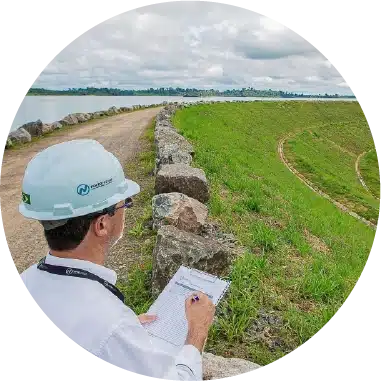

<p>The Belo Monte Hydroelectric Power Plant operates in accordance with Law No. 12,334/2010 and Law No. 14,066/2020, with a Dam Safety Plan (PSB) and an Emergency Action Plan (PAE), collaborating with local Civil Defense. The PSB, monitored by Aneel, uses an advanced system that includes 2,640 monitoring instruments and technologies such as autonomous boats, drones and sensors to ensure the safety of the structures. In 2023, all structures were rated as ‘Normal’ in the Regular Safety Inspection.</p>
<p>The Belo Monte HPP project was recognized by obtaining 1<sup>st</sup> place at the 5<sup>th</sup> International Symposium on Rockfill Dams, standing out globally for its innovation and good operational practices. RoboMAX, introduced in 2023, has modernized dike maintenance, reducing risks and emissions. Additionally, the Emergency Notification System (SNE) in the Self-Rescue Zone was enhanced with 34 sirens and connectivity for over 350 residents, strengthening safety and benefiting local communities.</p>
-